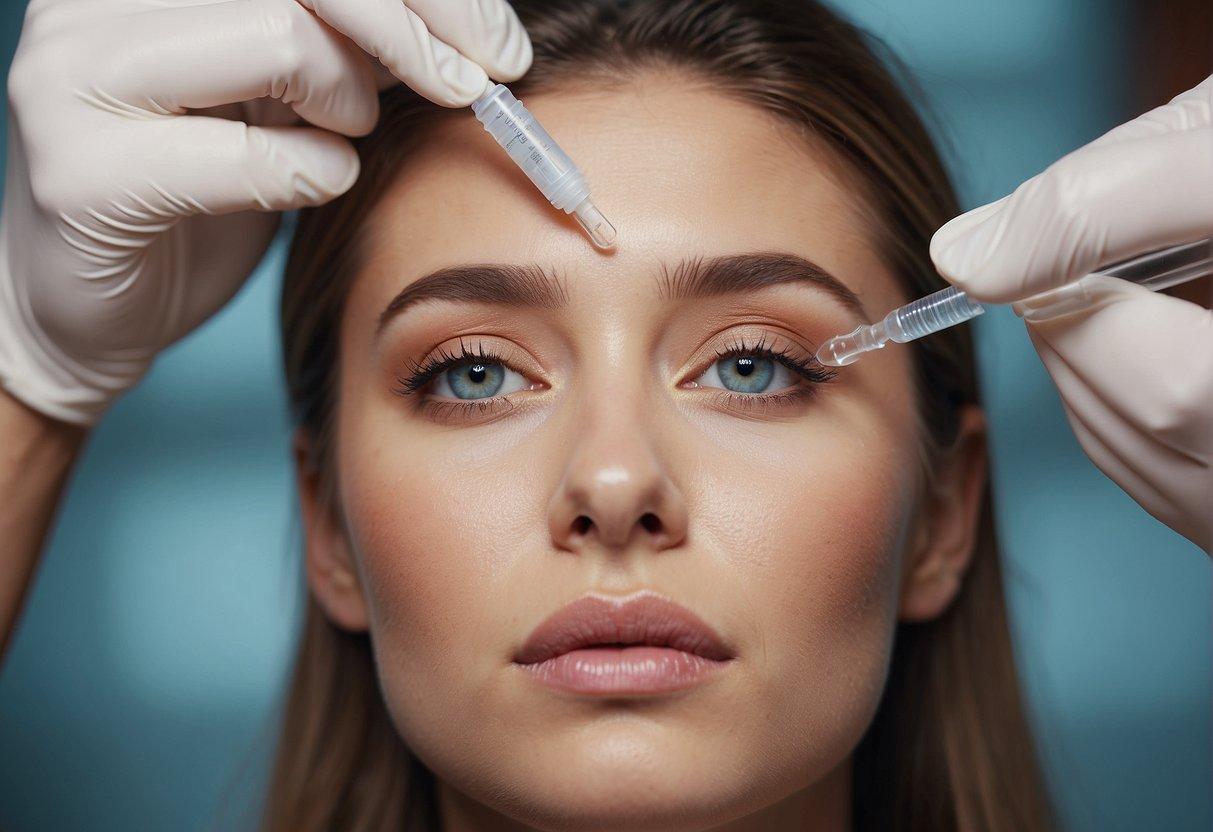
Aging is a natural process, but many people in Islamabad seek ways to slow it down and maintain a youthful appearance. Traditionally, anti-aging creams have been the go-to solution for fine lines, wrinkles, and sagging skin. However, with the rise of advanced cosmetic treatments, especially Dermal Fillers in Islamabad, many are asking whether these injectables can truly replace topical creams.
Understanding Anti-Aging Creams
Anti-aging creams are topical skincare products designed to reduce visible signs of aging. They typically contain ingredients like:
- Retinoids – to promote cell turnover.
- Hyaluronic acid – to hydrate and plump the skin.
- Peptides – to stimulate collagen production.
- Antioxidants – to fight free radicals and protect skin.
While these creams can improve skin texture and hydration, their effectiveness is limited. Because they work only on the surface, results are subtle and often require long-term use.
What Are Dermal Fillers?
Dermal fillers are injectable treatments that restore lost volume, smooth wrinkles, and enhance facial contours. Most fillers are made from hyaluronic acid, a naturally occurring substance in the body that attracts and retains moisture. They are commonly used for:
- Smoothing deep wrinkles and folds.
- Plumping lips and cheeks.
- Defining the jawline and chin.
- Non-surgical nose reshaping.
- Reducing under-eye hollows.
Unlike creams, fillers work beneath the skin’s surface, delivering immediate results.
Comparing Anti-Aging Creams and Dermal Fillers
Let’s explore the key differences between these two approaches to anti-aging:
1. Speed of Results
- Anti-aging creams: Results are gradual and may take weeks or months to notice.
- Dermal fillers: Provide instant volume and wrinkle reduction after a single session.
2. Depth of Action
- Creams: Act on the outermost layers of skin, improving hydration and texture.
- Fillers: Work below the skin’s surface to restore lost volume and fill deep wrinkles.
3. Longevity
- Creams: Require daily use to maintain results, and improvements often fade quickly if discontinued.
- Fillers: Last anywhere from 6 months to 2 years depending on the product and treatment area.
4. Effectiveness
- Creams: Best for prevention and maintaining skin health but limited against deeper wrinkles.
- Fillers: Effective for moderate to severe wrinkles, sagging, and volume loss.
5. Cost
- Creams: Lower upfront cost but recurring expenses over years can add up.
- Fillers: Higher upfront investment, but results are long-lasting and may reduce the need for multiple products.
Can Dermal Fillers Replace Anti-Aging Creams?
The answer lies in understanding the role of each. Dermal fillers are not a replacement for a good skincare routine but rather a complement to it. While fillers provide immediate and dramatic results, they do not address surface-level issues like skin tone, texture, or sun damage. Anti-aging creams, on the other hand, improve overall skin quality but cannot restore lost volume or erase deep wrinkles.
In short:
- For quick, visible results: Dermal fillers are unmatched.
- For long-term skin maintenance: Anti-aging creams are still important.
Therefore, the most effective anti-aging strategy in Islamabad often combines both—topical care for skin health and fillers for structural rejuvenation.
Why More People in Islamabad Are Choosing Dermal Fillers
The popularity of dermal fillers has grown rapidly in Islamabad for several reasons:
- Immediate results – No waiting months to see improvements.
- Non-surgical procedure – Minimal downtime compared to facelifts.
- Customizable treatment – Tailored to individual facial needs.
- Safe and reversible – Hyaluronic acid fillers can be dissolved if necessary.
- Boost in confidence – Natural-looking results enhance self-esteem.
Risks and Considerations
While fillers are generally safe when performed by qualified professionals, they do come with potential side effects such as swelling, bruising, or, rarely, infection. Choosing a reputable clinic in Islamabad is crucial to minimizing risks.
Anti-aging creams, on the other hand, carry fewer risks but also provide less dramatic outcomes. They may cause mild irritation or allergic reactions depending on skin sensitivity.
Combining Both for the Best Results
Dermatologists often recommend combining a consistent skincare routine with dermal fillers for the best anti-aging results. Think of creams as maintaining skin health and fillers as enhancing structure. This approach helps patients achieve both immediate improvements and long-term benefits.
For example:
- Use anti-aging creams with SPF during the day to protect from sun damage.
- Apply retinol-based creams at night for cell turnover.
- Schedule filler treatments for volume restoration and wrinkle reduction.
The Future of Anti-Aging in Islamabad
With advancements in cosmetic dermatology, the line between skincare and injectables continues to blur. Many new dermal fillers now incorporate ingredients like hyaluronic acid and collagen stimulators, offering both instant and long-term benefits. As more people in Islamabad become aware of these innovations, the trend of combining treatments will only grow.
Final Thoughts
So, can dermal fillers replace anti-aging creams? The truth is, they serve different purposes. Fillers are highly effective for instant rejuvenation and tackling volume loss, while creams play an essential role in daily skin maintenance and long-term prevention. The smartest choice isn’t one or the other—it’s using both together for maximum results.
No responses yet