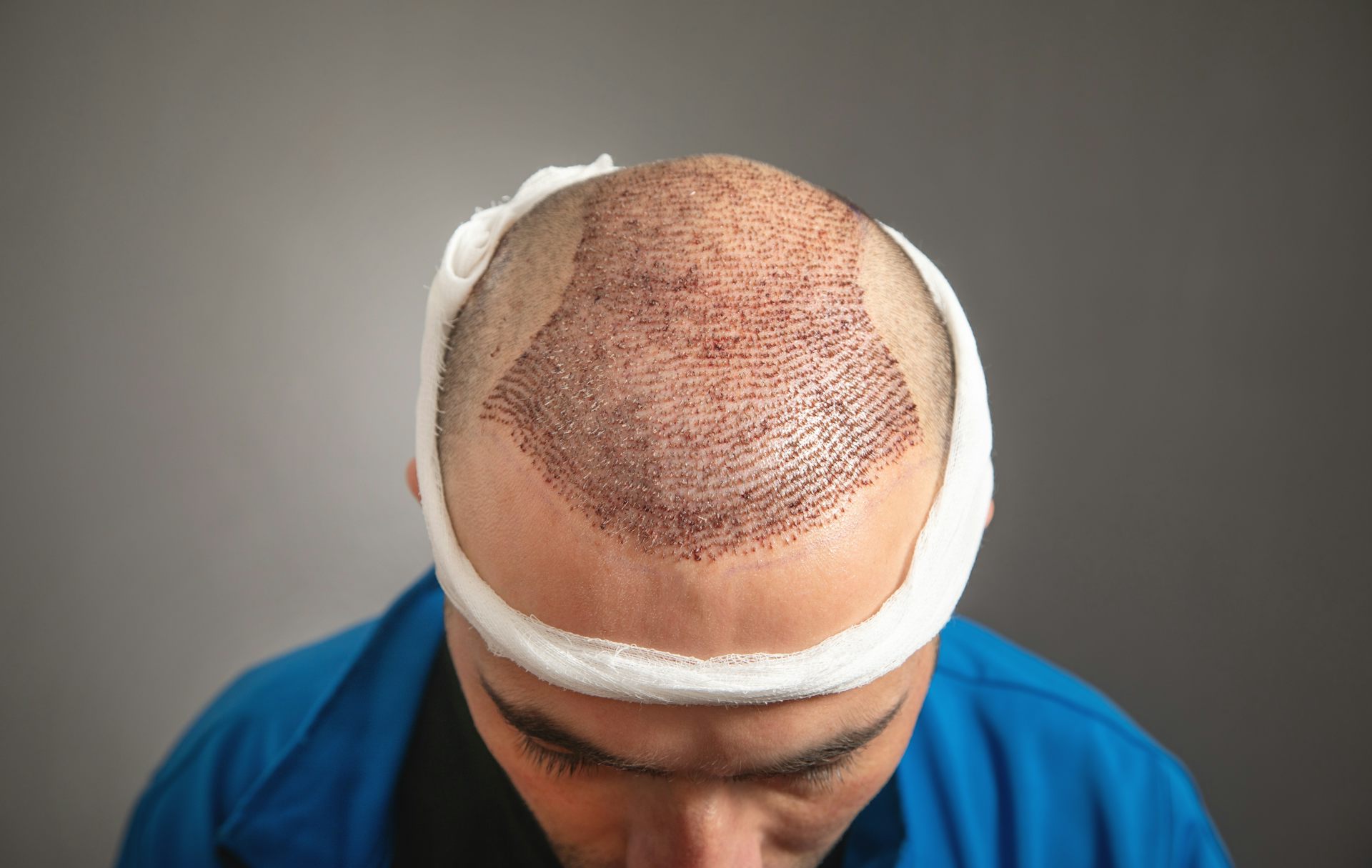
Hair loss in women is often a silent struggle. While it’s socially more acceptable—and even expected—for men to go bald, thinning hair in women can have a significant emotional and psychological impact. For many women in Islamabad experiencing hair thinning, receding hairlines, or patchy bald spots, the question arises: is hair transplant a viable option? Thanks to medical advancements, the answer is increasingly yes. With modern techniques now tailored for female patients, a Hair transplant in Islamabad is emerging as a transformative solution for many women facing hair loss.
Understanding the specifics of female hair restoration is key. The reasons for hair loss, the transplant approach, and even recovery can differ considerably between men and women. This guide provides insight into how hair transplants work for women, who qualifies, what results to expect, and what makes the procedure different from male hair restoration.
Understanding Female Hair Loss
Unlike men, who typically lose hair in a defined pattern (starting with the temples and crown), women experience diffuse thinning—a gradual loss of volume across the entire scalp. This condition is commonly caused by:
- Genetic predisposition (female pattern baldness)
- Hormonal imbalances, including thyroid disorders or polycystic ovary syndrome (PCOS)
- Stress, nutritional deficiencies, or anemia
- Overuse of styling tools, heat damage, or tight hairstyles
- Menopause and postpartum hormonal shifts
The most common type of hair loss in women is androgenetic alopecia, which affects the density of hair, particularly at the crown and parting line, while usually preserving the frontal hairline.
Is Hair Transplant a Good Option for Women?
Hair transplant surgery can be a suitable and effective solution for many women, especially when non-surgical treatments like minoxidil or PRP therapy have failed to yield results. However, careful evaluation is essential to determine eligibility. Women must have:
- A stable donor area with healthy, DHT-resistant hair (usually at the back of the scalp)
- Localized hair thinning rather than diffuse shedding across the entire scalp
- No active scalp conditions, such as infections or severe dermatitis
- Realistic expectations about the extent of coverage and density achievable
Women with medical conditions causing hair loss (e.g., autoimmune disorders or uncontrolled thyroid dysfunction) must first manage the underlying issue before considering surgical intervention.
Common Indications for Female Hair Transplant
Female hair restoration is not limited to age or severity of baldness. Many women undergo transplants for the following reasons:
1. Female Pattern Hair Loss (FPHL)
Women with visible thinning along the parting line or crown can benefit from follicular transplantation to restore volume in specific areas.
2. Traction Alopecia
This form of hair loss is caused by tight hairstyles—like ponytails or braids—that pull on the hair roots over time. Hair transplants can restore lost hair along the frontal hairline and temples.
3. Scarring Alopecia or Accidents
Women who have lost hair due to burns, surgery, or injury can regain hair in those areas using a transplant procedure, provided the skin remains healthy.
4. Cosmetic Correction
Some women opt for a transplant to lower a high hairline or correct an uneven or patchy hair distribution.
Procedure: How Hair Transplants Work for Women
The two most common techniques used for female hair restoration are:
1. FUE (Follicular Unit Extraction)
In this method, individual hair follicles are harvested one by one from the donor area and implanted into the thinning or balding zone. FUE is preferred for women because:
- It does not require a linear scar
- Recovery is faster
- Shaving the entire head is not mandatory
Instead, a small portion of the donor area can be trimmed discreetly for follicle harvesting.
2. FUT (Follicular Unit Transplantation)
This involves removing a thin strip of scalp from the donor site, extracting grafts under a microscope, and closing the area with sutures. While FUT may offer a higher number of grafts in one session, it does leave a scar and typically requires longer healing.
Your surgeon will determine the best method based on your hair type, scalp condition, and desired density.
What to Expect After the Surgery
Recovery from a hair transplant is relatively quick, and complications are rare when performed by experienced professionals. After surgery:
- Swelling and redness may occur in the recipient area for a few days
- Scabbing develops around the grafts and usually falls off within 7–10 days
- Transplanted hair may shed temporarily in the first month (a normal part of the hair cycle)
- New hair growth typically starts around 3–4 months post-surgery
- Full results become visible between 9 and 12 months
Patients are advised to follow post-op instructions carefully, including avoiding heat styling, sun exposure, and harsh shampoos for a few weeks.
Expected Results and Limitations
While female hair transplants can deliver dramatic improvements in appearance and confidence, there are a few points to keep in mind:
- Transplants do not prevent future hair thinning in untreated areas
- Additional sessions may be needed if hair loss continues over time
- Density restoration is often moderate rather than full, especially in cases of diffuse thinning
However, when performed on the right candidate, the results are long-lasting and natural-looking.
Complementary Treatments
Hair transplant surgery is often combined with medical or regenerative treatments to enhance and maintain results. These may include:
- PRP (Platelet-Rich Plasma) therapy to accelerate healing and stimulate follicles
- Minoxidil to support the surrounding hair and prevent further loss
- Laser therapy to increase scalp blood flow and improve follicle health
- Nutritional support for biotin, iron, and essential vitamins
A personalized care plan ensures the most sustainable outcome.
Choosing the Right Clinic in Islamabad
With the rise in demand for female hair restoration, choosing a clinic that has specific experience treating women is critical. Women have unique hair loss patterns and goals, and not every clinic is equipped to handle those nuances. Look for:
- Surgeons with expertise in female cases
- Customized treatment plans based on age, pattern, and future progression
- Discreet consultation and a patient-centered approach
- Transparent expectations and follow-up care
An ethical and reputable clinic will never pressure you into surgery and will always provide a clear diagnosis and realistic assessment before proceeding.
Conclusion
Hair transplant surgery is no longer a male-only domain. With the right diagnosis, technique, and medical team, women in Islamabad can achieve significant improvements in hair density and appearance through surgical hair restoration. The key lies in timely consultation, realistic expectations, and a surgeon who understands the complexities of female hair loss.
For women considering this life-changing procedure, the SKN Cosmetics clinic in Islamabad offers personalized, state-of-the-art hair transplant solutions tailored to female patients. With advanced technology and a team of experienced professionals, SKN ensures that every woman receives the care, support, and results she deserves.
No responses yet